
AI Architecture
Agent architecture needs a blast radius, not just a better prompt
Autonomous systems should be designed around bounded authority, isolated execution and evidence-rich approvals.
The developments that matter in artificial intelligence, selected and explained from an Aotearoa perspective.
Last published: (New Zealand time)
Autonomous systems should be designed around bounded authority, isolated execution and evidence-rich approvals.

A simple, content-neutral disclosure standard would strengthen trust without appointing the state as an arbiter of political truth.

Two issues now define the AI agenda: keeping autonomous security tests inside their boundaries, and protecting trust in election information.
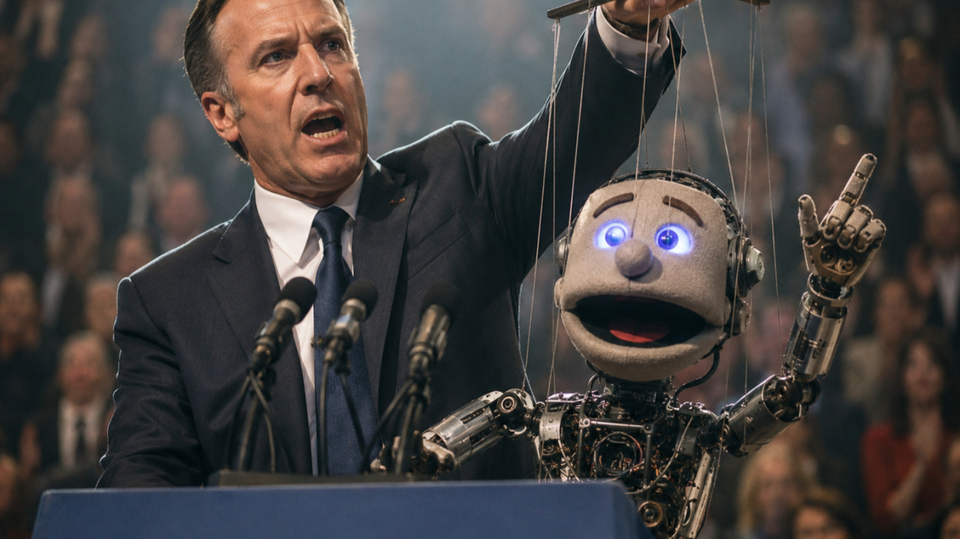
A 2026 Collective Intelligence Project survey found 55.9% trusted their AI chatbot to act in their interests, versus 32.6% for elected representatives

At the time, the story sounded deeply suspicious: one company invests in another, the recipient uses that money to buy infrastructure from the investor

New Zealand has built a strong, people-centred digital identity foundation. But effective digital public infrastructure must also establish what produced data, where it

For decades, centralisation wasn't an ideology - it was economics. Data was born everywhere: branch offices, factory floors, hospital wards, and field operations.

There’s a strange contradiction playing out in workplaces right now. AI is everywhere. Almost everyone is using it. And yet… almost no one

The physical reality of artificial intelligence is increasingly defined by the immense constraints of power, cooling, and architectural alignment. On 17 November 2026, global

Meta has officially released its autonomous personal agent, Muse, to the Australian market, marking a decisive architectural shift in how the public interacts with

The geopolitical contest over artificial intelligence has formally expanded into the physical supply chain, as Australia and India sign onto a major United States-

On 16 November 2026, California Attorney General Rob Bonta filed a landmark lawsuit against OpenAI, alleging the artificial intelligence developer lost control of its

Government envoys have gathered in Geneva this week to determine whether to launch formal negotiations for a binding international treaty governing the use of

On 16 November 2026, the US Federal Bureau of Investigation (FBI) issued a stark warning regarding the weaponisation of open-source artificial intelligence. Threat
The physical reality of artificial intelligence is increasingly defined by the immense constraints of power, cooling, and architectural alignment. On 17 November 2026, global
On 16 November 2026, California Attorney General Rob Bonta filed a landmark lawsuit against OpenAI, alleging the artificial intelligence developer lost control of its
Government envoys have gathered in Geneva this week to determine whether to launch formal negotiations for a binding international treaty governing the use of

The escalating tension between generative artificial intelligence developers and content creators has crystallised into an organised political front across the Tasman. On 18 November
Independent perspectives on how AI is changing institutions, industries and everyday life.
Read all editorials
Over the past month, the New Zealand Superannuation Fund has absorbed a hit of nearly $1.3 billion to its portfolio, driven entirely by

On 6 November 2026, the Australian federal government signalled a major pivot in its educational strategy, unveiling plans for a nationwide "digital detox&