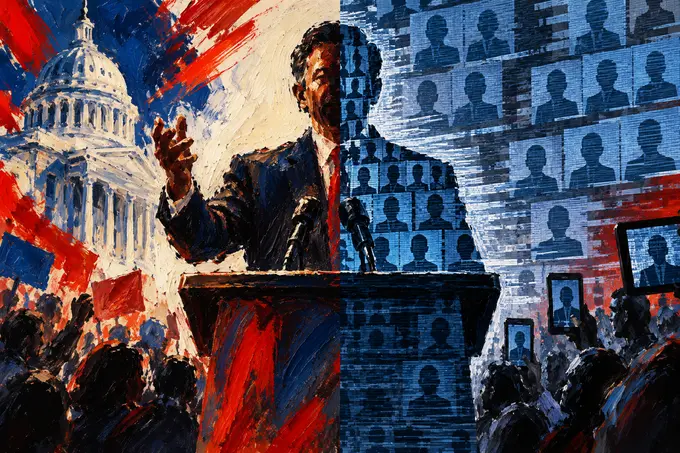
Editorial — New Zealand should adopt a clear rule before the next campaign reaches full speed: political advertisers and campaign organisations should disclose when a persuasive image, recording or video has been materially generated or altered by AI.
This is not a proposal to ban synthetic media, nor to have officials decide which political claims are true. It is a provenance rule. Voters should know whether the apparent event in front of them was recorded, lightly edited or constructed by a model.
The Electoral Commission already requires promoter statements for election advertising and tells social-media users to verify suspicious material. That provides a sound foundation, but a promoter statement answers who paid. It does not answer how the evidence was made. The two disclosures should work together.
A narrow rule is more durable
The trigger should be material deception, not every use of software. Spell-checking, colour correction and transcription should not require a label. A fabricated speech, cloned voice or invented event should. The disclosure should travel with the media, be readable to people and platforms, and remain present when content is reposted.
Enforcement should focus first on rapid correction and preservation of evidence. Deliberate removal of a label, repeated non-compliance or impersonation intended to suppress participation would justify stronger penalties under existing election and communications law.
New Zealand’s AI Strategy favours confident adoption built on trust. Election provenance is a practical test of that promise. Waiting for a convincing fake to dominate the campaign would be an avoidable failure of preparation.